
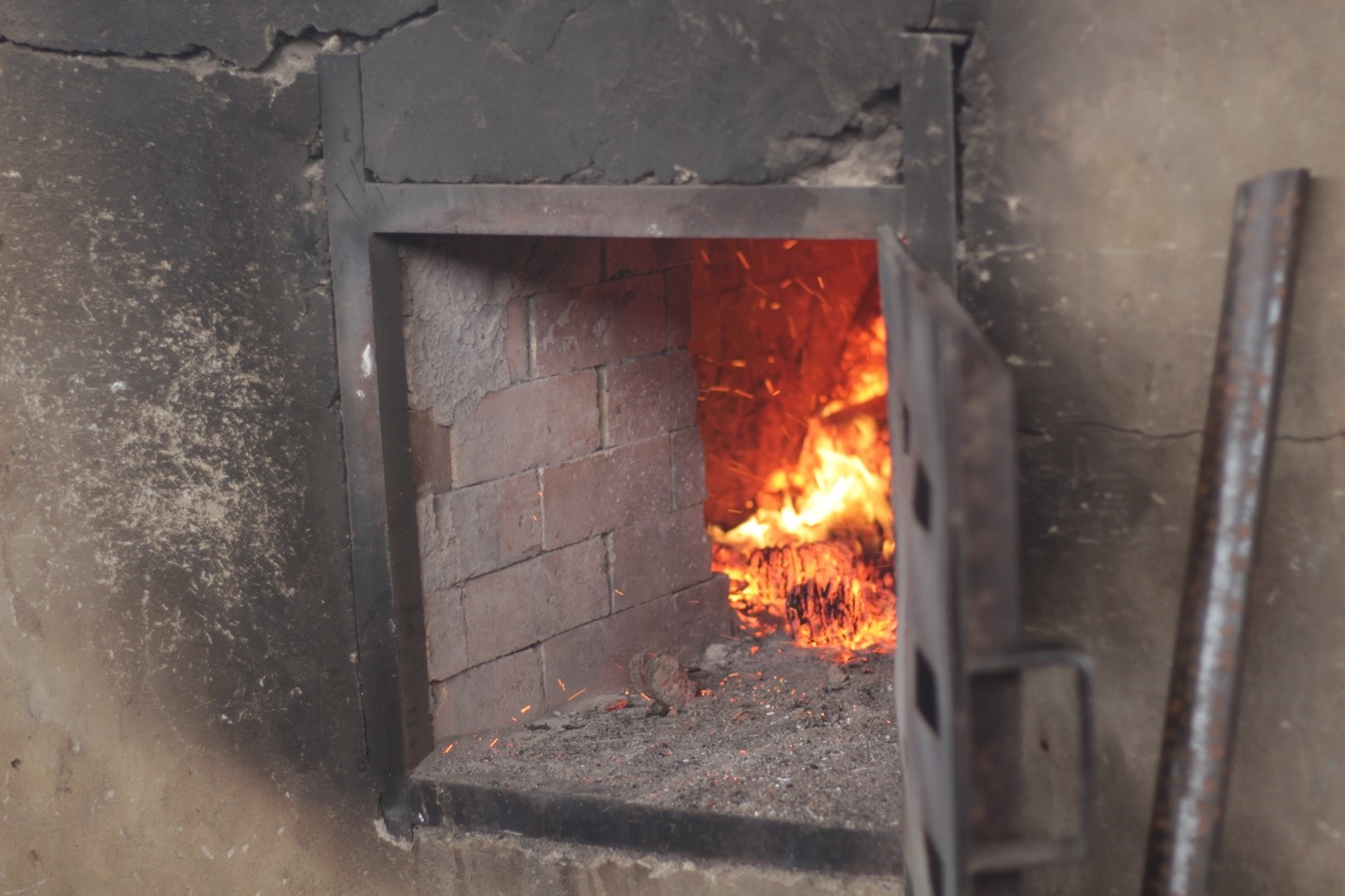
Over 90% of households in Tanzania still rely on firewood and traditional charcoal for cooking and heating, resulting in environmental degradation and increased health risks. The Ngorongoro Conservation Area, comprising of vast expanses of highland plains, Savanna Woodlands, and forests, holds global significance for biodiversity conservation. Considering the area’s ecological importance and the presence of globally threatened species, the Tanzanian government banned firewood usage in schools across the conservation area.
Using firewood for cooking presents several challenges: Not only does it generally contribute to deforestation because of the high demand in Tanzania, but especially in schools students and staff suffer from many health risks due to the emission of smoke, leading to respiratory problems and other related issues. To mitigate these challenges, a transition to a cleaner cooking solution is necessary to create a safer environment and reduce the ecological impact.
The new regulation prompted the search for alternative cooking fuels that would be cost-effective, long-lasting, and environmentally friendly, thereby addressing deforestation, health hazards, and financial burdens faced by schools.
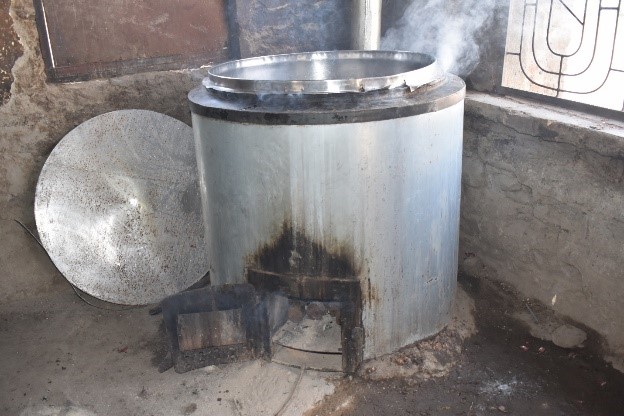
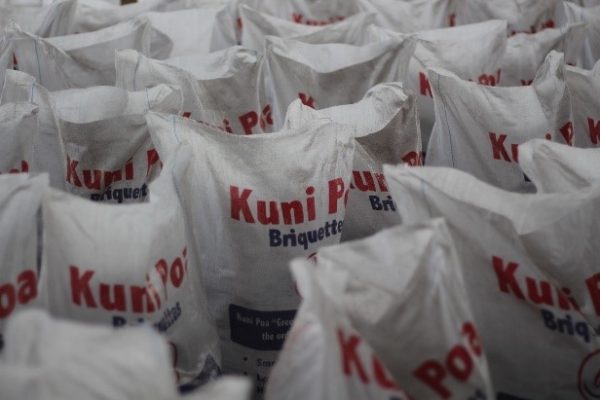
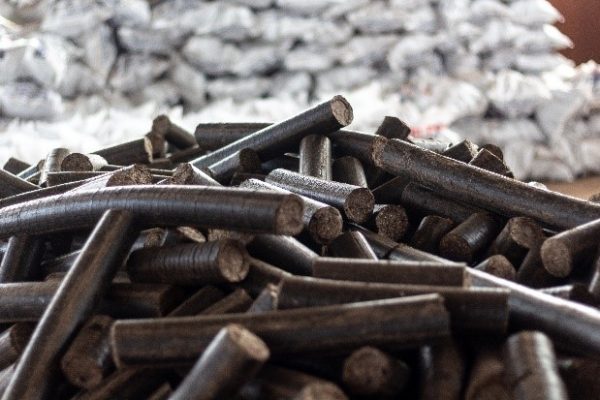
 Luckily, this is where Hanny G has a solution to offer. The Tanzanian enterprise developed an innovative, sustainable and clean cooking business model, addressing the pressing challenges associated with cooking practices. Through their innovative approach, Hanny G transforms agricultural waste into specialized briquettes, aptly named “Kuni Poa,” tailored for their custom-designed large cooking stoves branded as “Jiko Poa”. These briquettes offer numerous advantages, including smokeless combustion, ease of consumption estimation, and are very cost-effectives compared to firewood.
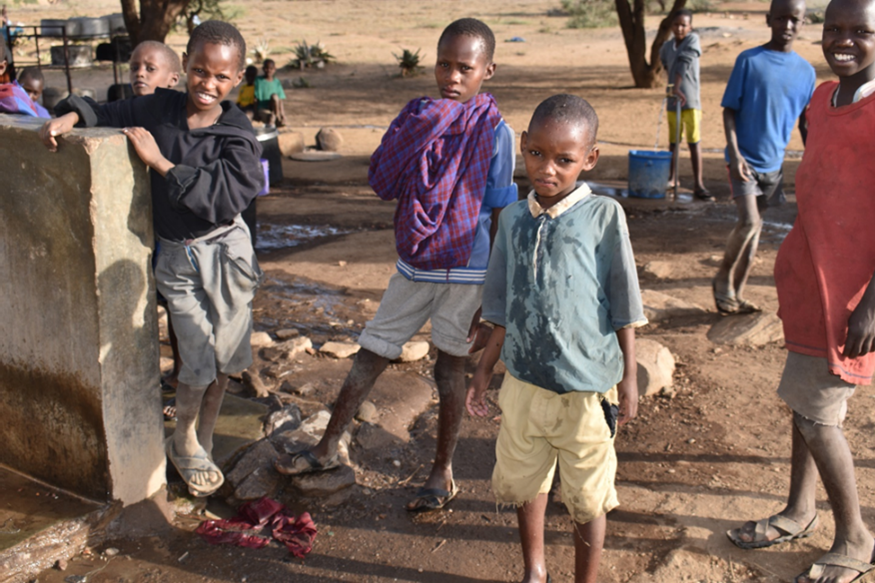
Hanny G enables clean cooking practices in Piyaya Primary School
Among the schools affected by the mandate is the Piyaya Primary School, which is located inside the Ngorongoro Conservation Area and caters to over 500 students.
 Hanny G provided Piyaya Primary School with their clean cooking solutions, encompassing the “Kuni Poa” briquettes and corresponding “Jiko Poa” stoves. This transition had profound positive impacts on the school and its students. Firstly, the use of Hanny G’s briquettes eliminated smoke emissions, significantly improving indoor air quality, and reducing respiratory illnesses. Thanks to this shift, the overall well-being of the school community increased. Secondly, the clean cooking solution facilitated precise estimation and prediction of fuel consumption, enabling the school to efficiently manage their cooking fuel requirements, thereby minimizing waste. This predictability resulted in cost savings as the school could allocate their budget more effectively. Finally, Hanny G’s clean cooking solutions proved to be more cost-effective compared to firewood, alleviating the financial burden on the school, and allowing them to allocate resources to other educational needs, consequently enhancing the overall quality of education provided.
 Buoyed by this newfound success, Antoine seized the opportunity to expand his farming enterprise. He leased an additional 15 acres of farmland from the cooperative at an affordable rate. Now he engages in more extensive farming activities following the Rwanda Agricultural Board’s planting calendar. As a proactive member of the COAMALEKA cooperative, Antoine became an advocate for the adoption of cold storage technology. The facility has proven invaluable in preserving a wide range of fresh produce, including tomatoes, carrots, cabbages, eggplant and French green beans. With reduced post-harvest losses and improved market prices, cooperative members are beginning to witness the transformative power of this innovative cold storage solution.
Hanny G’s Collaboration with WE4F to Advance Environmentally-Friendly Cooking Practices in the Ngorongoro Conservation Area
With the financial and technical support from WE4F, Hanny G was able to extend their clean cooking solutions to over 34 schools within the Ngorongoro Conservation Area. This widespread implementation significantly reduced reliance on firewood and traditional charcoal, fostering environmental sustainability and mitigating deforestation. The successful adoption of Hanny G’s clean cooking business model and the broad reach of these solutions among schools underscores the significant impact achieved through WE4F’s support. Many end-users, including farmers and pastoralist communities in the region, have benefited from the availability of affordable and sustainable cooking solutions. This collaborative effort not only supports the conservation of the Ngorongoro Conservation Area’s biodiversity but also aligns with the government’s initiatives to reduce firewood usage and promote cleaner and more efficient energy sources.

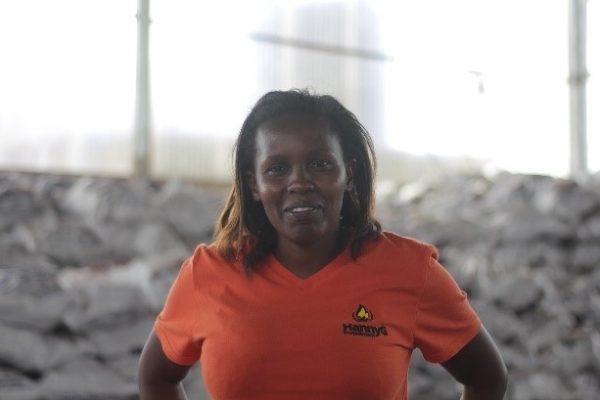
Looking ahead, Hanny G plans to continue installing more stoves in schools within the Ngorongoro Conservation Area, further enhancing energy efficiency while utilizing the Kuni Poa briquettes. This expansion aims to extend the positive impact on education, health, and the environment to a larger population of students, teachers, and communities in the region. Kicked off by the support from WE4F, Hanny G’s clean cooking solutions possess the potential to revolutionize cooking practices and contribute to a sustainable future for the Ngorongoro Conservation Area and beyond.
Contact
For more information about supported innovators, please have a look at the East Africa Hub Subpage or contact lucie.pluschke@giz.de (Regional Innovation Hub Manger) or kilian.blumenthal@giz.de (Technical Advisor).
