
Climate change is a global issue that needs innovative solutions that reduce greenhouse gas emissions while helping communities adapt to changing climate conditions. For climate-smart technologies to have a meaningful impact, they must be adopted on a large scale.
About four billion people, globally, reside at the base of the pyramid. This population, often overlooked as a potential market for innovative products and services, holds immense untapped potential. Their challenges, including low purchasing power, limited access to finance, and infrastructural deficiencies, can be transformed into opportunities for sustainable development and climate change mitigation.
Evans Chinembiri, Hub Manager for the WE4F Southern and Central Africa Regional Innovation Hub (WE4F SCA RIH), shares how the Hub is working towards synchronizing its innovators’ product and service offerings to make climate-smart technologies accessible to the world’s poorest and most vulnerable populations in the region.
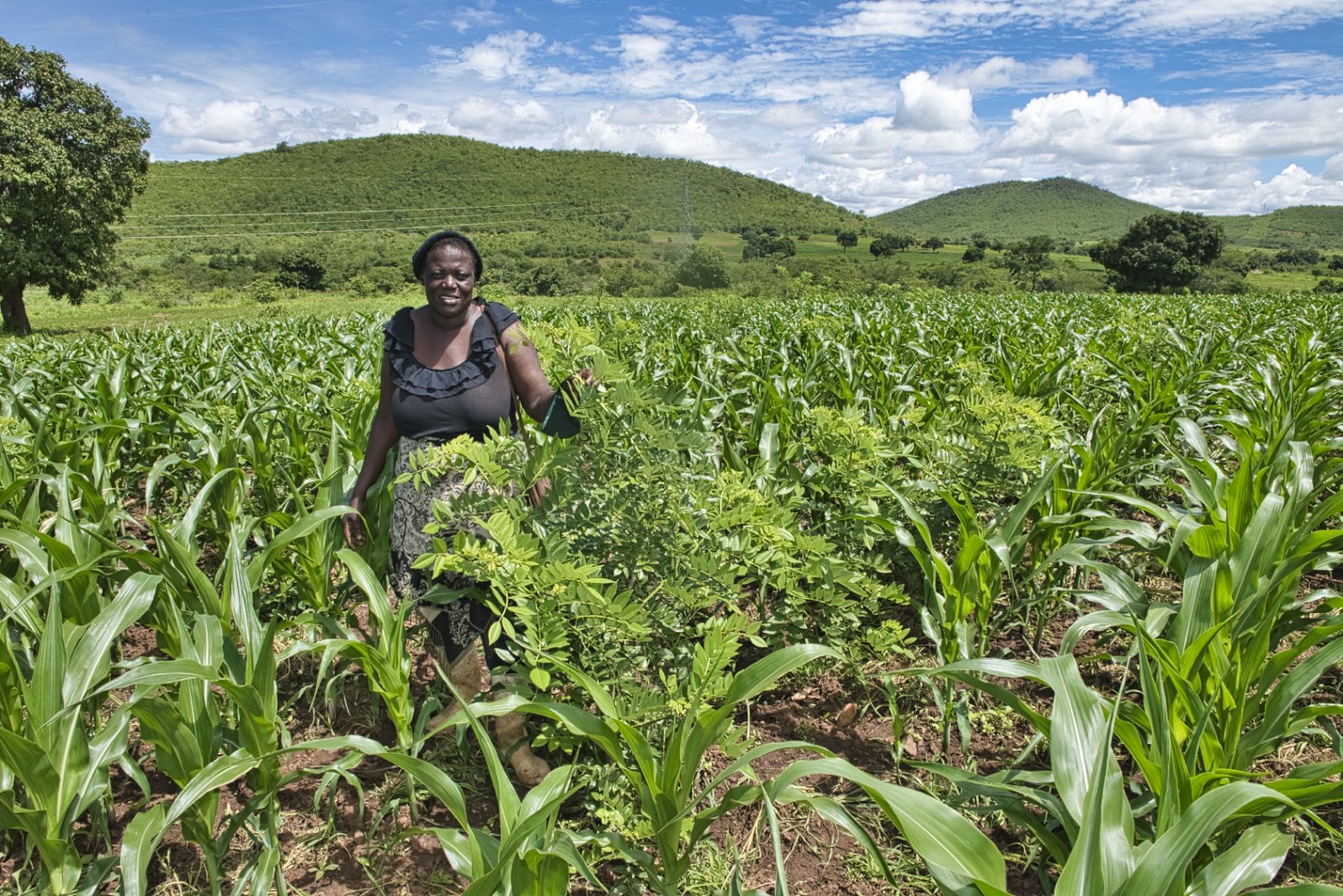
Climate-smart technologies, such as reliable and clean electricity for households without grid access or climate-resilient seeds for smallholder farmers, are not just solutions, but pathways to a more sustainable future. With over 1.5 million smallholder farmers, some farmers in Zambia face low productivity issues. This is caused by the low use of improved agricultural technologies, depleted soil nutrients, and inadequate provision of extension services to improve yields. Innovators in the region have developed their business models and tailored them to the base of the pyramid’s characteristics, overcoming adoption barriers and making high-cost items like solar home systems affordable through pay-as-you-go models. This approach and digital payment platforms can make climate-smart technologies accessible to even the poorest farmers.
By promoting collaboration among its innovators and bundling technologies the Hub is creating a viable, critical climate-smart technology market. A viable and synchronized market in this region could be a smallholder farmer growing food using drought-tolerant seed varieties, consuming weather service products, and solar-powered water pumps to ensure efficient irrigation in the production process. Farmers who experience success with these technologies are then willing to try new technologies and adjust their crop husbandry practices.
The collaboration means that it is possible to address multiple constraints and cater to the unique challenges of this often-overlooked market segment. The WE4F SCA RIH encourages the collaboration of innovators, with complementary technologies, operating in the same country. In this way, the Hub is not only strengthening the water-energy-food ecosystem but also helping farmers improve their productivity and resilience in the face of a variable and changing climate. The potential impact of a substantial portion of the four billion people at the base of the pyramid adopting climate-smart technologies is staggering. It could significantly contribute to reducing carbon emissions, a pressing global challenge that requires immediate attention.
Below are only some of the examples of how innovators in Zambia have collaborated to effectively address various challenges that smallholder farmers face.

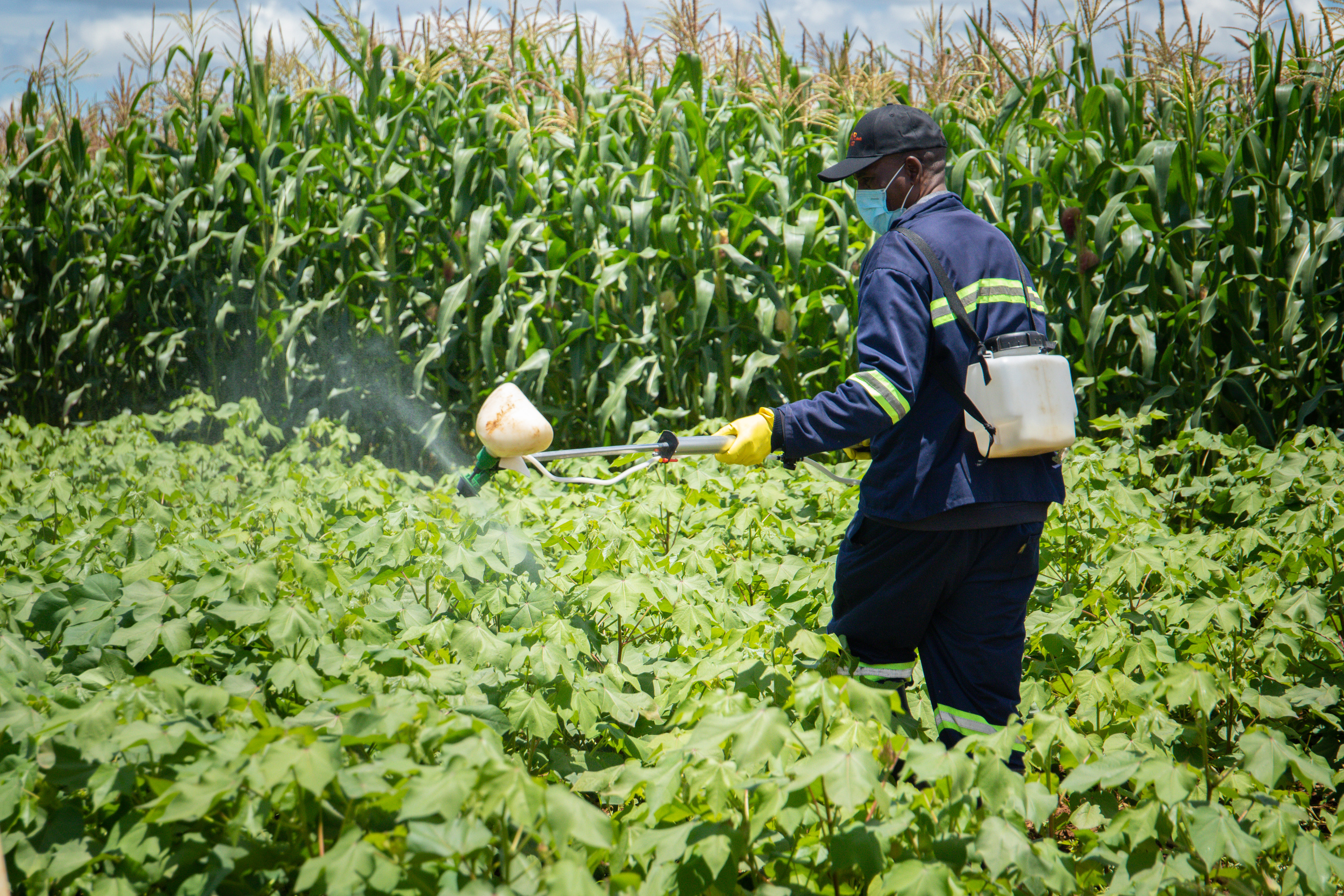
Community Markets for Conservation (COMACO) – helps farmers use sustainable agricultural practices to produce organic food and protect biodiversity. COMACO’s smallholder horticulture farmers had issues with pest management, especially those growing organic tomatoes. In 2022, they collaborated with co-innovator Solar Village to provide their farmers with solar-powered Micron sprayers which reduces the time spent on pest management.
FarmHut Africa – provides a digital marketplace and logistic service to farmers, helping reduce their energy consumption. With the help of the SCA Hub, Farmhut Africa has expanded their operations from Zimbabwe to Zambia. They have collaborated with other innovators in the country, namely Solar Village and COMACO, to help address market access challenges that their farmers face.
Solar Village – sells Micron’s highly water-efficient sprayers to rural smallholder farmers. Their ongoing collaboration with COMACO enabled them to assist fellow innovator Farmhut Africa when they expanded their operations to Zambia. Smallholder farmers who have increased their yields using Solar Village and COMACO’s innovations are given access to markets through Farmhut’s digital marketplace.
As innovators grow, collaboration becomes more important to positively impact smallholder farmers’ livelihoods, increase innovation access, and achieve food security. By leveraging the hub’s connections with innovators, WE4F can address multiple challenges that smallholder farmers face while creating a strong value chain.
