Solar-powered storage and services for fisheries
Innovation Type:
Energy-Food
Product Segment:
Energy – Aggregation, Storage, & Logistics
Country of Incorporation:
India
Country of Implementation:
India
Company Stage:
Stage 3: 1,001 to 10,000 end-users
Seeking Investment:
Yes, $1 million USD
Financing Goals:
Seeking equity (angel investor, venture capital or private equity)
Contact Name:
Tushar Devidayal
Contact Email:
Website:
Challenges
Due to inadequate storage, India’s fisheries and agriculture sector face high spoilage rates of fish and food produce. Reaching up to 20% of the products, this leads to significant post-harvest losses and economic instability caused by fluctuating incomes.
Additionally, the recurring cost of ice and transport exceeds $3 USD per day and waiting in line for ice made by diesel generators further exacerbates the problem. Poor storage not only reduces food availability, impacting nutrition and food security but also limits market access and economic opportunities. Women, who are typically involved in the retailing business, face security risks and labor demands for ice procurement. The use of diesel generators and ice production contributes to environmental degradation. Unstable incomes hinder investments in essential services, and power outages disrupt preservation efforts, affecting resilience to climate impacts.
Solutions
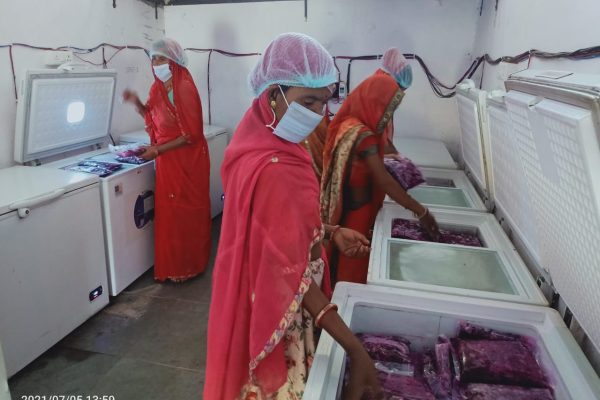
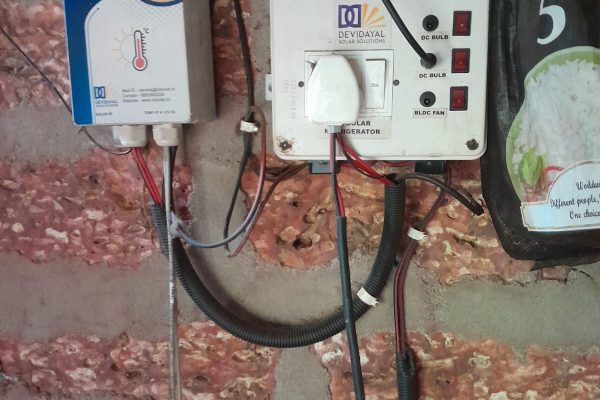
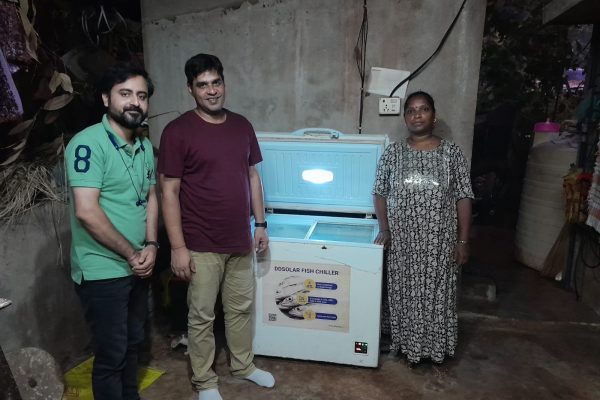
Devidayal Solar (DD Solar) addresses fisheries and agricultural challenges with innovative solutions, including the installation of a DD Solar 200L freezer set at -5°C and an Internet of Things-based remote monitoring system for data collection. Devidayal Solar’s comprehensive approach also includes subsidized solar-powered storage, flexible payment plans, and community-wide awareness campaigns through local influencers. Training programs equip vulnerable groups with new skills, creating additional income opportunities.
These innovations lead to significant outcomes, such as an increase in income and reduced input and transaction costs. Improved storage extends the shelf life of food, eliminates product loss, allows sales when prices are higher, and, for women, reduces labor demands. For fish farmers, the ability to store crabs, lobsters, and higher-margin fish enhances product range and quality, with a return on investment of about 15 months at full price. Overall, this system enhances the economic, social, and environmental well-being of communities.