
Food security in the Middle East and North Africa is a challenge that continues to grow. It’s driven by a few key factors: climate change, water shortages, and rapid population growth. All of these make it increasingly difficult to meet basic food needs. Right now, about 54.3 million people—12.2% of the population—don’t have enough to eat. What’s more, over 60% of the region’s population lives in areas where water is quickly running out. Without water, farming struggles to keep pace with demand.
This article looks at three innovators—Kasho Company, RAG, and Rim Mills—who are coming up with sustainable solutions to help with food production in Iraq and Lebanon.
Why Food Security Matters
Agriculture in MENA uses the majority of the freshwater in the region (85%). And with the population growing fast, more food is needed, which means more water. If we don’t figure out better ways to manage water, the region could lose up to 14% of its economy by 2050. That’s a huge loss- especially for agriculture, which a lot of people depend on.
Additionally, the MENA region doesn’t grow all its food, more than half of it is imported. This makes people vulnerable to global price spikes and all sorts of disruptions in the supply chain.
RAG: Supporting Iraqi Farmers to Grow More Efficiently
RAG has been working closely with small farmers in Iraq, helping them access necessary tools, like precision irrigation systems, greenhouses, seeds, and organic fertilizers. These resources make it easier for farmers to grow more food and improve the quality of their crops, which means they can sell at better prices.
The company plans to expand soon, with a new branch already open on the road between Erbil and Kirkuk. RAG also opened a new greenhouse factory with an investor in Baghdad, where they produce greenhouses at a lower price than others in the market.

Rim Mills: Sustainable Moghrabieh Production in Lebanon
Rim Mills has a long history of producing moghrabieh, a traditional Lebanese dish made from wheat. While they used to rely on imported wheat, they now work directly with local farmers to grow wheat on reclaimed lands that previously were not farmed on. This shift supports sustainable farming practices and helps ensure a steady wheat supply. It’s especially important since wheat farming depends heavily on seasonal rain, particularly during the winter when water is crucial.
Aside from the intensity of wheat production, moghrabieh production can also be intensive due to its heavy energy use. To create a greener process, Rim Mills started using solar energy; now they’re looking for more energy saving practices. For instance, one of their ideas involves installing vapor collectors to capture and reuse the water that gets boiled, cutting down on waste.
Farmers who work with Rim Mills face their own challenges, like covering the costs of seeds, irrigation, and energy. To help, the innovator provides guidance on sustainable farming methods as well as guarantees to buy their crops at the end of each season. This gives farmers the peace of mind that they need to keep growing, knowing they have a reliable buyer.

Kasho Company: Sustainable Sunflower Seed Oil Production
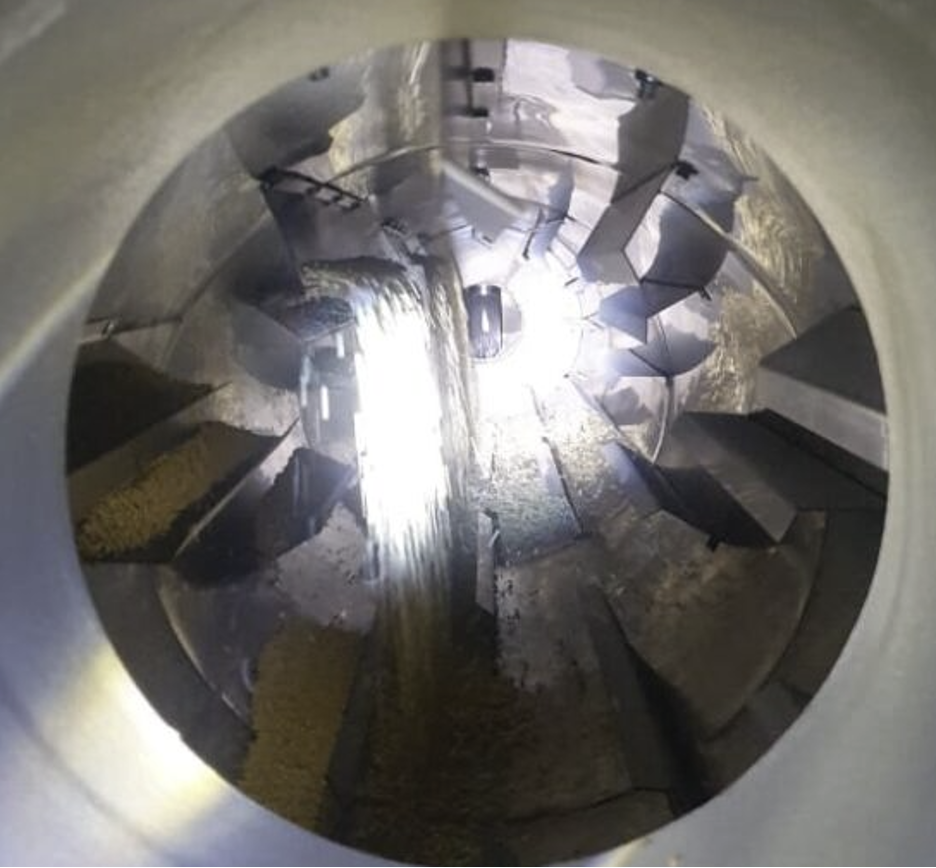
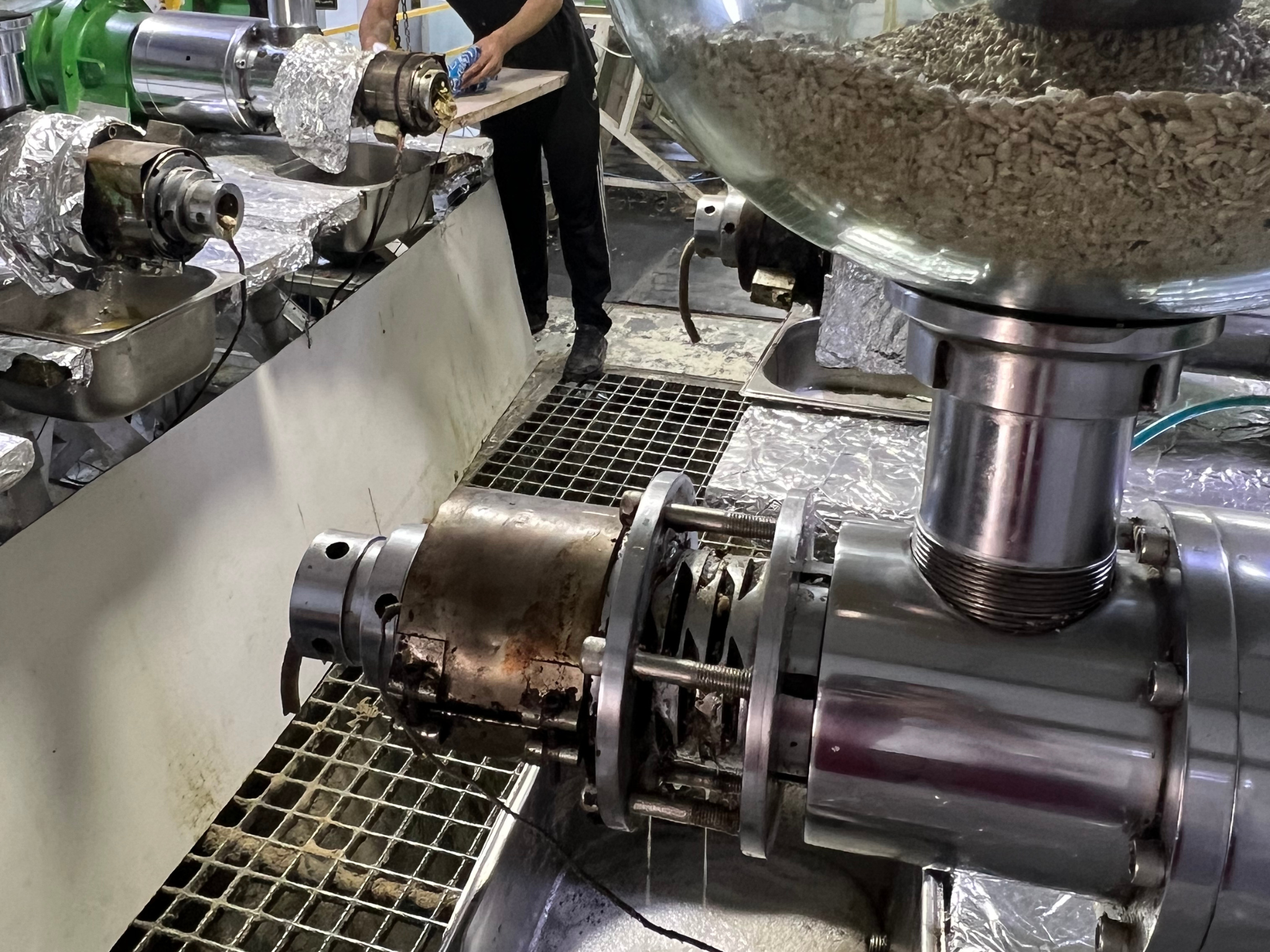
Kasho Company uses a method called cold-pressing to turn sunflower seeds into high quality oil. This process is eco-friendly, cutting down on energy use and saving water; making it both efficient and good for the environment. The innovator, however, doesn’t just stop at making oil—they also help local farmers by giving them sunflower seeds to grow and buying their harvest. To contribute to a circular economy, Kasho sells the sunflower seed waste to fodder factories so it can be turned into feed for cattle and chickens. This way, they’re helping both the environment and the local farming community.
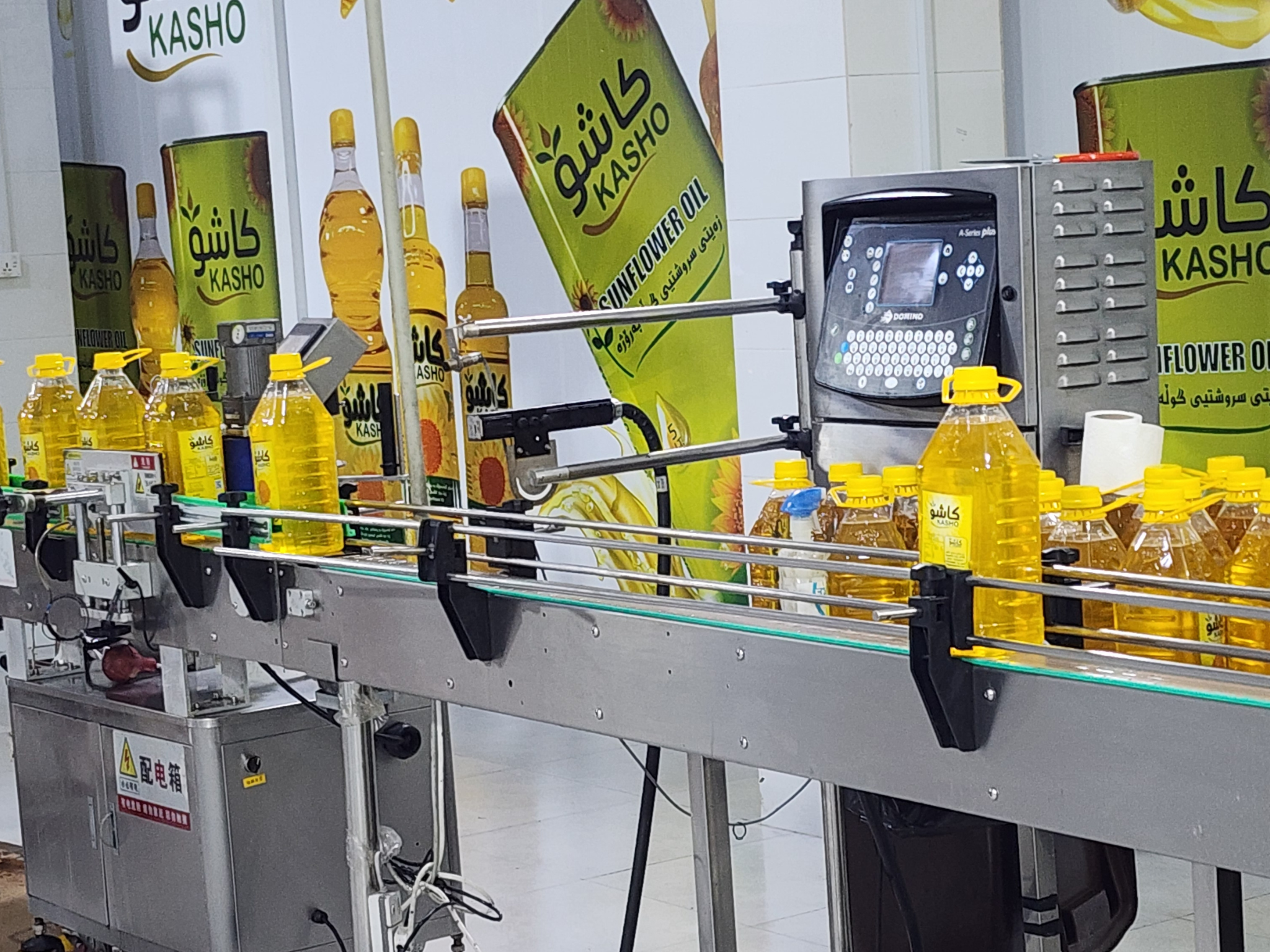
Over the past three years, Kasho’s production grew from 66,000 liters of sunflower oil in 2021 to 87,000 liters in 2023. Now, for 2024, they’re looking to produce over 110,000 liters due to an increase in demand across the Erbil and Dahuk provinces. Geographically, they’re aiming to move into the Baghdad market through a distribution company or large wholesalers.
To aid Kasho in its growth journey, WE4F will support the innovator’s preparations for new investment opportunities by helping them establish a new production line, linking them with distributors in Baghdad, and offering capacity building support for marketing strategies tailored to their needs across different governorates.
Working for a More Sustainable and Secure Food System
Kasho Company, RAG, and Rim Mills are giving farmers in Iraq and Lebanon the support they need to grow more food while using fewer resources. Their efforts are helping make farming more sustainable and giving local farmers the support they need to thrive, despite the difficult conditions they live in. These practical solutions are already having an impact, proving that we can address the region’s food security challenges in meaningful ways.
To learn more about the types of support provided to innovators and the results achieved, read the Water and Energy for Food 2023 Annual Report.
