Cool warehouse chillers for high density markets
Innovation Type:
Energy-Food
Product Segment:
Energy – Aggregation, Storage, & Logistics
Country of Incorporation:
Zambia
Country of Implementation:
Zambia
Company Stage:
Stage 3: 1,001 to 10,000 end-users
Seeking Investment:
Yes, $1.75 million USD
Financing Goals:
Seeking combination of debt and equity
Contact Name:
Katakwala Mwandila
Contact Email:
Website:
Challenges
Agriculture is one of the key economic activities in Zambia and responsible for employing approximately 60% of the adult population. However, the sector faces challenges related to food loss and lack of access to markets.
In Zambia, post-harvest losses for fruits and vegetables are upwards of 60%. This is mainly due to the absence of proper storage facilities, especially an unbroken cold chain.
Farmers also lack access to markets, having to travel long distances to established markets. If prices are unfavorable, they are either forced to take the offered price, return home with the goods, or dump the goods onsite. This results in significant revenue losses for the farmers and has a direct impact on their livelihood status making them vulnerable to poverty at the household level.
Solutions
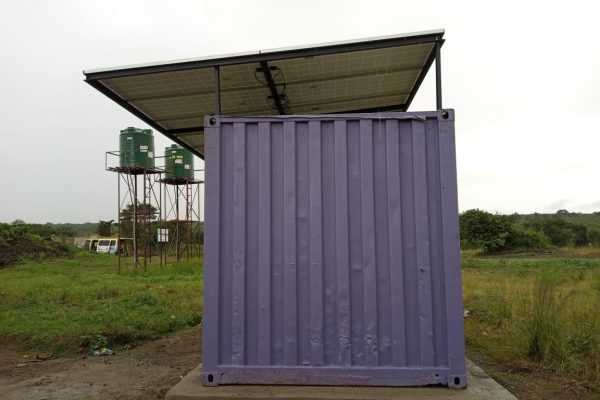
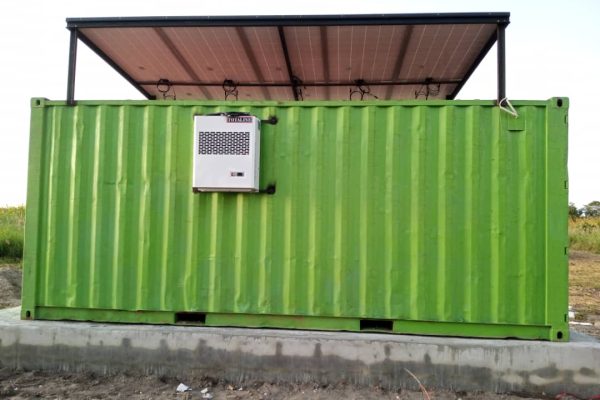
NDKAY provides solar powered cold rooms to farmers and marketers to address post-harvest losses challenges. Ndkay technology helps farmers in a number of ways with their market based coldrooms:
- Marketeers, who are predominantly women and smallholder farmers, can pay for whatever space they need to use to store their produce and do not require to pay for the whole cold room.
- The cold rooms will allow for an extension of product shelf life and generally will also result in improved products quality so that the farmers can store the products when they come to market and will not merely be forced to accept whatever prices that may be prevailing on the day.
- Increasing product shelf life will in turn result in more stable and favorable prices for farmers. This will directly result in them obtaining a higher return on investments and more profit due to reduced post-harvest losses.
- Increased product shelf life will also lead to an increase in actual volume of product in the market which in turn will create an opportunity for aggregators, especially those who intend to add value through processing and other manipulation techniques and technologies.